
Commercial Greenhouse HVAC Systems Canada: A Complete Guide for Modern Greenhouse Operations
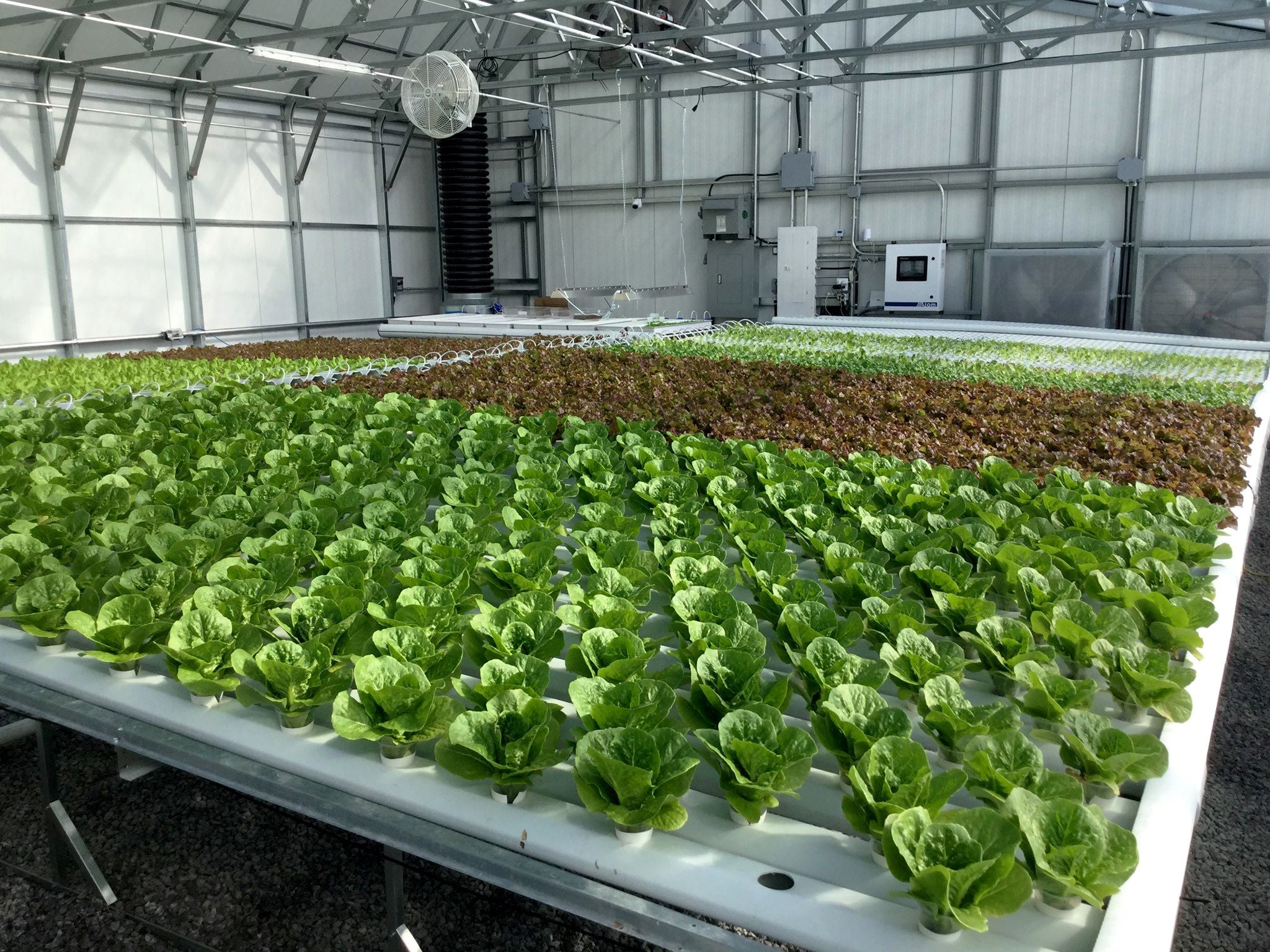 "Commercial Greenhouse HVAC Systems Canada: A Complete Guide for Modern Greenhouse Operations")
Commercial greenhouse HVAC systems Canada are a foundational component of successful controlled environment agriculture, influencing everything from crop health and yield consistency to energy efficiency and long-term operational costs. For commercial greenhouse operators, growers, and decision-makers, HVAC is not simply about heating or cooling a space—it is about creating a stable, responsive, and optimized growing environment that supports plant performance year-round, regardless of external conditions.
As greenhouse operations scale and become more technologically advanced, the demands placed on HVAC systems increase significantly. Modern growers must manage temperature, humidity, airflow, and air quality simultaneously, often across large facilities with multiple crop zones and varying environmental requirements. This guide explores how commercial greenhouse HVAC systems function, why they are critical in the Canadian greenhouse market, and how growers can approach system planning with confidence and clarity.
Understanding Commercial Greenhouse HVAC Systems
Commercial greenhouse HVAC systems differ substantially from residential or standard commercial HVAC applications. In a greenhouse environment, HVAC systems must support living plants, not just human comfort, and must operate continuously under dynamic load conditions. Plants themselves influence humidity, temperature, and air composition, making environmental control far more complex.
A commercial greenhouse HVAC system typically integrates multiple components designed to work together rather than function independently. These systems must respond to daily light cycles, seasonal weather fluctuations, crop growth stages, and operational schedules. Unlike traditional buildings, greenhouses are designed to allow solar radiation, which introduces additional heat gain and variability throughout the day.
Key objectives of greenhouse HVAC systems include:
Maintaining consistent air temperatures across growing zones to prevent plant stress and uneven growth. In commercial operations, even small temperature variations can lead to differences in crop maturity, yield, and quality. Consistent temperatures help standardize production cycles and improve predictability for harvest planning. This level of control is especially important when managing high-value or sensitive crops.
Managing humidity levels to reduce disease pressure and support healthy transpiration. Excess humidity creates ideal conditions for fungal pathogens, while low humidity can inhibit plant growth and nutrient uptake. An effective HVAC system balances moisture levels to support plant physiology while minimizing disease risk. This balance directly impacts crop quality and long-term operational stability.
Ensuring uniform airflow to prevent microclimates within the greenhouse environment. Poor air circulation can cause pockets of stagnant air where temperature and humidity deviate from target conditions. Uniform airflow supports even CO? distribution and reduces condensation on plant surfaces. Over time, this contributes to healthier plants and more consistent yields.
Supporting CO? enrichment and indoor air quality requirements specific to plant growth. HVAC systems must allow for controlled CO? levels without compromising temperature or humidity targets. Proper air exchange and filtration also help remove airborne contaminants that can affect plant health. This integration is essential for maximizing photosynthetic efficiency.
Operating efficiently to control energy costs and reduce unnecessary system strain. Energy efficiency is critical in year-round operations where HVAC systems run continuously. Well-designed systems reduce wasted energy while maintaining performance standards. Over time, efficiency gains translate into meaningful operational savings.
When properly designed, a greenhouse HVAC system becomes an active tool in crop management rather than a background utility.
Why HVAC Systems Are Critical in Canadian Greenhouses
In Canada, greenhouse operators face unique challenges that make HVAC system design particularly important. Seasonal extremes, fluctuating outdoor humidity levels, and long heating seasons require systems that are both robust and highly efficient. Greenhouse HVAC systems in Canada must perform reliably in cold winters while adapting quickly to warm summer conditions.
Canadian greenhouses often operate year-round to meet market demand, meaning HVAC systems are rarely idle. This continuous operation places increased emphasis on equipment durability, energy efficiency, and precise environmental control. Even small deviations in temperature or humidity can have measurable impacts on plant growth, crop quality, and disease risk.
Additionally, rising energy costs and sustainability goals are influencing how greenhouse operators evaluate HVAC investments. Systems that offer long-term efficiency, adaptability, and data-driven control are becoming essential rather than optional.
Core Components of Commercial Greenhouse HVAC Systems
Understanding the individual components of commercial greenhouse HVAC systems helps growers make informed decisions when planning new facilities or upgrading existing infrastructure. Each component plays a specific role in maintaining environmental stability.
Heating Systems
Heating is one of the most critical functions of greenhouse HVAC systems, particularly in colder climates. Greenhouse heating systems must deliver consistent warmth without creating hot spots or temperature gradients that stress plants.
Common heating approaches in commercial greenhouses include:
Hydronic heating systems using boilers and heat distribution piping. These systems provide consistent, evenly distributed heat across large greenhouse spaces. Hydronic systems are valued for their efficiency and ability to maintain stable root-zone temperatures. They also integrate well with advanced climate control strategies.
Unit heaters designed for large open spaces. Unit heaters offer flexibility and can be deployed strategically to address specific heating needs. When properly sized and positioned, they help reduce cold spots and improve overall temperature uniformity. Their simplicity makes them suitable for certain greenhouse layouts and operational models.
Integrated heating solutions connected to broader HVAC control systems. These systems coordinate heating output with cooling, ventilation, and dehumidification functions. Integration improves responsiveness and reduces energy waste caused by competing system actions. Over time, this coordination supports better environmental stability.
The goal of greenhouse heating is not simply to raise air temperature, but to maintain root-zone stability and prevent temperature swings that can slow growth or increase susceptibility to disease.
Cooling Systems
Cooling in greenhouses is equally important, especially during peak sunlight hours or warm seasons. Excessive heat can inhibit photosynthesis, reduce yields, and damage crops. Cooling strategies must be responsive and coordinated with ventilation and shading systems.
Commercial greenhouse cooling solutions may include:
Mechanical cooling systems integrated with HVAC controls. These systems provide reliable temperature reduction during periods of high heat load. When paired with intelligent controls, mechanical cooling responds dynamically to changes in solar radiation and internal conditions. This ensures crops remain within optimal temperature ranges.
Ventilation-based cooling strategies. Natural or mechanical ventilation allows excess heat to escape while drawing in cooler outside air. This approach can reduce energy use when conditions allow. Proper coordination with humidity control is essential to prevent unintended moisture buildup.
Hybrid systems that balance mechanical and passive cooling. Hybrid strategies combine ventilation, shading, and mechanical cooling to optimize performance. This flexibility allows growers to adapt cooling methods to changing conditions throughout the day. The result is improved efficiency and environmental stability.
Effective cooling systems are designed to remove excess heat while preserving humidity balance and minimizing energy consumption.
Ventilation and Air Distribution
Air movement is a critical but often underestimated aspect of greenhouse HVAC design. Proper ventilation ensures that temperature, humidity, and CO? levels remain uniform throughout the growing space.
Ventilation systems help:
Prevent stagnant air pockets that can lead to uneven temperature and humidity levels. Stagnant air creates microclimates that negatively impact plant development. Proper ventilation promotes uniform environmental conditions throughout the greenhouse. This consistency supports predictable crop performance.
Reduce condensation on plant surfaces and greenhouse structures. Excess condensation increases the risk of disease and structural damage. Controlled ventilation helps remove moist air before condensation forms. This protects both crops and infrastructure.
Support healthy transpiration rates by regulating airflow around plant canopies. Adequate airflow encourages proper moisture exchange at the leaf surface. This process is critical for nutrient uptake and overall plant health. Poor airflow can disrupt these physiological processes.
Maintain consistent environmental conditions across crop zones. Ventilation ensures that temperature, humidity, and CO? levels remain balanced throughout the facility. This reduces variability between growing areas. Consistency is essential for large-scale commercial production.
Well-designed air distribution systems work in coordination with heating and cooling components to create a stable growing environment rather than competing against them.
Dehumidification Integration
Humidity control is one of the most challenging aspects of greenhouse HVAC management. Plants naturally release moisture into the air, and without effective dehumidification strategies, humidity levels can rise quickly.
Commercial greenhouse HVAC systems often integrate dehumidification solutions to:
Reduce disease pressure from fungal pathogens by maintaining optimal humidity levels. Many plant diseases thrive in overly humid environments. Active dehumidification helps keep moisture within controlled ranges. This reduces reliance on chemical disease controls.
Improve plant transpiration efficiency and nutrient uptake. Proper humidity balance supports healthy transpiration. When humidity is too high, plants struggle to release moisture effectively. Dehumidification restores this balance and promotes stronger plant growth.
Protect structural components from moisture damage and corrosion. Excess humidity can degrade greenhouse materials over time. Dehumidification helps preserve equipment, glazing, and building components. This extends the lifespan of greenhouse infrastructure.
Enhance overall climate stability across all operating conditions. Integrated dehumidification allows precise control regardless of outdoor weather. This stability improves predictability in crop performance. It also supports year-round production goals.
Rather than relying on ventilation alone, integrated dehumidification allows growers to manage moisture without sacrificing temperature control or energy efficiency.
Designing HVAC Systems for Commercial Greenhouse Applications
Designing commercial greenhouse HVAC systems requires a holistic approach that considers both current operational needs and future growth. System sizing, zoning, and control strategies must align with crop types, facility layout, and production goals.
System Sizing and Load Calculations
Accurate load calculations are essential for HVAC system performance. Oversized systems can lead to short cycling, inefficiency, and uneven environmental control, while undersized systems may struggle to maintain target conditions.
Key factors influencing HVAC sizing include:
Greenhouse size and structure type
Glazing materials and insulation levels
Crop density and transpiration rates
Lighting systems and internal heat gains
Desired temperature and humidity setpoints
Proper system sizing ensures reliable performance and long-term operational efficiency.
Zoning and Environmental Control
Many commercial greenhouses operate multiple zones with different environmental requirements. Zoning allows growers to tailor temperature, humidity, and airflow to specific crops or growth stages.
Zoned HVAC systems provide:
Greater control over microclimates
Improved crop uniformity
Reduced energy waste
Enhanced operational flexibility
Advanced zoning strategies are especially valuable for large-scale or diversified greenhouse operations.
Automation and Control Systems
Modern commercial greenhouse HVAC systems rely heavily on automation and control technology. Integrated control systems allow growers to monitor conditions in real time and adjust system performance proactively.
Key benefits of automated HVAC controls include:
Precise environmental regulation
Data-driven decision-making
Reduced manual intervention
Improved consistency across production cycles
Automation transforms HVAC systems from reactive tools into predictive management systems that support long-term success.
Energy Efficiency and Long-Term ROI
Energy consumption is one of the largest operating costs for commercial greenhouse facilities. As a result, energy efficiency plays a central role in HVAC system planning and evaluation.
Energy-efficient greenhouse HVAC systems help operators:
Lower operating expenses
Improve cost predictability
Support sustainability objectives
Enhance system longevity
While high-efficiency systems may require greater upfront investment, the long-term return on investment often justifies the cost. Reduced energy use, fewer maintenance issues, and improved crop outcomes contribute to measurable financial benefits over time.
Maintenance and System Longevity
Even the most advanced commercial greenhouse HVAC systems require regular maintenance to perform effectively. Proactive maintenance helps prevent unexpected downtime, protects crop health, and extends equipment lifespan.
Effective maintenance strategies include:
Routine inspections and performance checks
Cleaning and calibration of sensors
Monitoring system data for anomalies
Addressing minor issues before they escalate
Well-maintained HVAC systems deliver more consistent results and reduce the risk of costly disruptions.
Future Trends in Commercial Greenhouse HVAC Systems
The greenhouse industry continues to evolve, and HVAC technology is advancing alongside it. Emerging trends in commercial greenhouse HVAC systems focus on greater efficiency, smarter controls, and deeper integration with overall greenhouse management systems.
Key trends shaping the future include:
Increased use of data analytics and predictive controls
Greater emphasis on energy recovery and efficiency
Integration with sustainability and emissions reduction strategies
Modular and scalable system designs
These developments are helping greenhouse operators achieve higher productivity while managing costs and environmental impact more effectively.
Choosing the Right HVAC Partner for Commercial Greenhouses
Selecting the right HVAC partner is just as important as selecting the right equipment. Commercial greenhouse HVAC systems require specialized expertise, industry knowledge, and a deep understanding of controlled environment agriculture.
An experienced HVAC partner can:
Assess operational needs accurately
Design systems aligned with long-term goals
Support installation and integration
Provide ongoing service and optimization
A collaborative approach ensures that HVAC systems support not only today’s production requirements but also future expansion and innovation.
Final Thoughts on Commercial Greenhouse HVAC Systems in Canada
Commercial greenhouse HVAC systems Canada play a critical role in the success of modern greenhouse operations. From temperature and humidity control to energy efficiency and automation, these systems influence every aspect of crop production and facility performance.
By understanding how HVAC systems function, how they should be designed, and how they contribute to long-term operational goals, greenhouse operators can make informed decisions that support growth, resilience, and profitability. As the controlled environment agriculture industry continues to expand, well-designed HVAC systems will remain a cornerstone of sustainable, high-performing greenhouse operations.
Choosing the right commercial greenhouse HVAC system is an investment in long-term performance, efficiency, and crop consistency. Whether you are designing a new facility or upgrading an existing operation, working with an experienced partner ensures your system is tailored to your crops, climate, and production goals. To discuss your greenhouse HVAC needs and explore customized solutions for Canadian growing conditions, contact Cultivate & Equipment today. Their team specializes in commercial greenhouse environments and can help you plan, optimize, and future-proof your HVAC systems with confidence.
| Tags:GreenhouseLatest NewsGreenhouse Climate Controls |