
Controlled Environment Agriculture HVAC Design in Canada: Building the Future of Smart Greenhouses
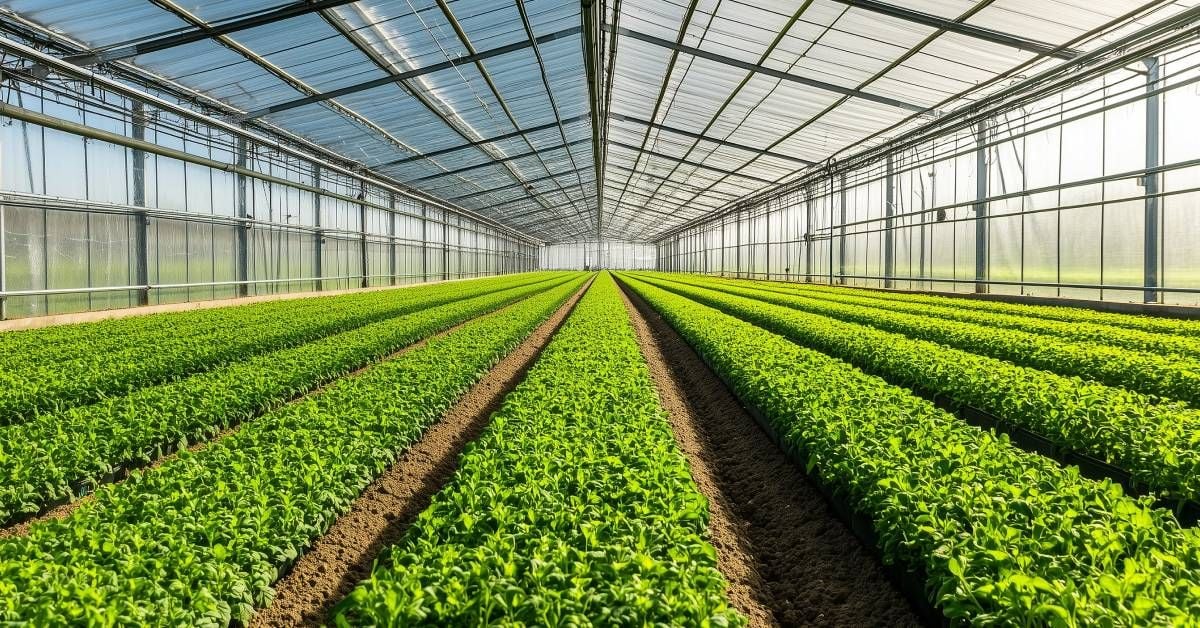 "Controlled Environment Agriculture HVAC Design in Canada: Building the Future of Smart Greenhouses")
As global demand for sustainable food production grows, controlled environment agriculture (CEA) has become a defining force in the future of farming. In Canada, where weather conditions can be unpredictable and extreme, CEA greenhouses allow year-round cultivation with unparalleled precision. At the heart of this innovation lies HVAC design—the backbone of every high-performing CEA facility. A well-designed HVAC system balances heating, cooling, ventilation, and dehumidification to create an optimized growing environment that supports both yield and efficiency.
This comprehensive guide explores how strategic HVAC design empowers CEA operators across Canada to achieve greater consistency, sustainability, and profitability.
What is Controlled Environment Agriculture (CEA)?
Controlled Environment Agriculture refers to any method of growing plants within a managed, enclosed space where all environmental factors—temperature, humidity, light, and CO?—are precisely regulated. Examples include advanced greenhouses, vertical farms, and hybrid systems that combine natural and artificial control.
In Canada, where climate extremes challenge open-field agriculture, CEA allows for:
Year-round production - Controlled environment agriculture extends growing seasons by eliminating dependence on outdoor conditions. This ensures a consistent supply of fresh produce even in winter months. Year-round production stabilizes market supply and reduces the carbon footprint associated with importing off-season crops. For Canadian growers, this translates to both economic and logistical advantages. Additionally, year-round cultivation provides steady employment and strengthens the domestic agricultural economy.
Predictable yields - With full control over temperature, humidity, and CO? levels, CEA reduces variability and risk. Growers can fine-tune conditions to match specific crop requirements, resulting in consistent yields regardless of weather fluctuations. Predictable output also improves forecasting accuracy for supply chains and contracts. This consistency is particularly valuable for large retailers and food distributors that depend on reliability. By mitigating unpredictability, CEA supports higher profitability and lower waste.
Resource efficiency - CEA systems use up to 90% less water than traditional field farming through closed-loop irrigation and condensation recovery. Nutrients are delivered directly to plant roots, reducing runoff and waste. HVAC systems equipped with energy recovery features minimize fuel and electricity use. The result is an operation that maximizes output while minimizing environmental impact. Efficient resource use also aligns with Canada’s sustainability goals for agricultural innovation.
Improved food security - Localized food production reduces dependency on imports and long-distance transportation. In regions like Northern Canada, this means fresh, nutritious produce can be grown closer to communities year-round. Shorter supply chains reduce spoilage and carbon emissions while strengthening national food resilience. For urban centers, rooftop greenhouses and vertical farms bring agriculture directly into the food distribution network. The result is a more stable and secure domestic food system.
Sustainability - By optimizing every input—energy, water, and nutrients—CEA dramatically reduces waste. Closed-loop systems recycle heat, water, and CO?, minimizing environmental impact. Sustainable HVAC systems further support decarbonization efforts by integrating renewable energy sources like geothermal or solar. Over time, this approach leads to lower operational costs and improved ecological outcomes. Sustainable practices also enhance brand reputation and appeal to environmentally conscious consumers.
Each of these benefits depends on a foundation of strong environmental control—and HVAC design is the critical enabler.
The Role of HVAC Design in CEA Greenhouses
HVAC systems in CEA facilities are far more complex than standard commercial or residential systems. They must manage multiple interacting variables simultaneously, ensuring the environment remains stable 24/7.
A well-designed CEA HVAC system must:
Maintain precise temperature and humidity ranges suitable for each crop’s growth phase. In CEA, even a small deviation in temperature can impact plant health, photosynthesis, and yield. HVAC systems must sustain consistent microclimates to avoid thermal stress. The challenge in Canada is balancing heating needs in winter and cooling loads in summer. Advanced sensors and AI-driven controllers help maintain precision while minimizing energy use. Consistency in these parameters ensures both crop quality and uniformity across the entire facility.
Provide uniform airflow to eliminate hot or cold spots that stress plants. Uneven air distribution can create microclimates that affect growth and encourage disease. Engineers use Computational Fluid Dynamics (CFD) modeling to design airflow paths that promote even circulation. Variable-speed fans and diffusers maintain steady air velocity without causing drafts. Uniform airflow improves transpiration and nutrient uptake efficiency. For large facilities, zoning and air curtain strategies can maintain consistency between sections.
Balance CO? levels and air exchange rates without wasting energy. Plants depend on CO? for photosynthesis, but improper balance can limit growth or waste energy through over-ventilation. Smart CO? dosing systems, paired with precise HVAC control, ensure consistent enrichment. Energy-recovery ventilators allow fresh air intake without major heat losses. This balance improves productivity while maintaining efficient resource use. In fully sealed environments, CO? management becomes a vital component of overall HVAC design.
Integrate seamlessly with lighting, irrigation, and control systems. True optimization comes from synergy among all systems. When HVAC interacts with lighting schedules and irrigation data, energy use is reduced, and plant response improves. For instance, HVAC can redistribute excess heat from lighting or adapt humidity levels to match irrigation timing. Unified control platforms allow operators to manage everything from one dashboard. Integration reduces manual labor and increases system intelligence.
Recover and reuse energy wherever possible to lower operating costs. Modern HVAC systems use heat recovery loops, regenerative dehumidifiers, and waste heat capture. This captured energy can preheat water, air, or nutrient solutions. In Canadian climates, where heating represents the largest energy cost, recovery systems can reduce fuel consumption by 20-40%. This approach improves sustainability and supports long-term financial viability for greenhouse operators.
Poor HVAC design leads to inefficiency, inconsistent yields, and higher operational expenses. In contrast, optimized design transforms climate control into a strategic asset.
Key Design Considerations for CEA HVAC Systems
Each CEA greenhouse is unique, but successful HVAC design in Canada depends on several universal principles.
1. Climate Load Calculations
Every greenhouse must be evaluated for heat gains and losses based on size, structure, crop type, and geographic location. These calculations consider solar gain, air infiltration, insulation value, and internal loads from lighting and equipment. In colder regions like Alberta or Manitoba, heating dominates, requiring systems that perform efficiently under extreme conditions. Coastal regions, on the other hand, prioritize dehumidification and cooling. Accurate load analysis ensures that HVAC equipment is neither overdesigned nor undersized, optimizing performance and cost.
2. Zoning and Crop Segmentation
Modern greenhouses often cultivate multiple crops or growth phases within a single facility. Zoning allows for microclimate control tailored to each section’s requirements. Each zone can maintain independent temperature, humidity, and airflow parameters. This setup also prevents disease spread and reduces wasted energy in underutilized areas. For example, propagation zones may need higher humidity than fruiting zones, and zoning ensures efficiency by serving only the specific needs of each crop. Advanced control systems synchronize these zones seamlessly for holistic management.
3. Energy Recovery and Reuse
Energy recovery systems capture waste heat from exhaust air or dehumidification processes and reuse it to warm incoming air or water. In Canadian CEA operations, heat recovery ventilators (HRVs) and energy-recovery dehumidifiers (ERDs) are particularly effective during cold seasons. This method reduces both heating demand and greenhouse gas emissions. By combining heat recovery with smart controls, operators can reclaim up to 70% of waste energy. These savings not only enhance sustainability but also improve the return on investment for HVAC infrastructure.
4. Air Distribution and Flow Modeling
Airflow dynamics determine whether plants receive equal access to temperature, humidity, and CO?. Engineers employ CFD (Computational Fluid Dynamics) simulations to predict how air will move within the space. This modeling helps identify dead zones, condensation risks, and areas prone to uneven conditions. Strategically placed fans, vents, and diffusers maintain stable air mixing throughout the greenhouse. Uniform airflow reduces disease incidence and promotes consistent growth. Effective air distribution also minimizes stratification, where warm air rises and cooler air settles unevenly.
5. Automation and Control Systems
Automation turns CEA HVAC management into a data-driven process. Sensors continuously monitor parameters like temperature, humidity, light intensity, and CO? concentration. These systems adjust in real time, eliminating human error and ensuring stability. Predictive maintenance alerts identify potential mechanical issues before they cause downtime. Integration with AI platforms allows dynamic responses to external weather or crop growth patterns. Automated HVAC controls have been shown to reduce energy use by up to 30% while improving yield reliability.
6. Sustainability and Renewable Integration
With Canada’s push toward net-zero emissions, renewable integration in HVAC design is a top priority. Solar panels, geothermal loops, and biomass boilers are among the most effective solutions for greenhouse operations. These energy sources significantly reduce dependence on fossil fuels and stabilize long-term costs. Combining renewable systems with efficient insulation and automation enhances environmental performance. By designing for sustainability, operators future-proof their investments while contributing to national energy goals.
Future Trends in CEA HVAC Design
The future of HVAC design in controlled environment agriculture is rapidly evolving, driven by technology and sustainability goals.
AI-powered predictive controls - Artificial intelligence is increasingly used to forecast climate trends and adjust systems before environmental changes occur. By analyzing weather patterns and crop behavior, AI minimizes energy waste and stabilizes growing conditions. These systems learn from historical data to create optimal environments automatically. Predictive control helps growers avoid costly fluctuations and maximize yield. The integration of AI also enhances maintenance scheduling, improving equipment lifespan.
Closed-loop HVAC systems - Closed-loop designs recycle both heat and moisture, drastically reducing waste. These systems capture condensate water and repurpose latent heat, creating nearly self-sufficient environments. In Canada’s colder regions, closed-loop systems are especially valuable for reducing heating costs. They also minimize dependency on external air exchange, improving biosecurity. The long-term benefit is a stable and sustainable growing climate with lower operational inputs.
Smart glazing and insulation materials - Advanced glazing adapts to light intensity and outdoor temperature, reducing heat gain in summer and retaining warmth in winter. This technology lowers HVAC demand while improving natural lighting for crops. Combined with high-efficiency insulation, smart materials reduce overall energy load by up to 25%. As building technologies progress, Canadian CEA facilities are adopting these innovations to achieve better climate consistency and energy control. Investing in such materials pays long-term dividends in sustainability and comfort.
Decentralized modular HVAC systems - Modular designs enable flexible expansion and redundancy. Each unit can serve a specific zone, improving precision and simplifying maintenance. When one module requires service, others continue operating without interruption. This design minimizes downtime and supports gradual facility growth. Decentralized systems are ideal for CEA operators scaling production incrementally.
Carbon-neutral facility design - The ultimate goal for modern agriculture is carbon neutrality. Integrating renewables, efficient HVAC, and carbon-capture technology creates self-sustaining greenhouses. These facilities align with Canada’s environmental mandates and appeal to investors seeking sustainable ventures. Carbon-neutral operations also enhance brand reputation and position Canadian growers as leaders in green innovation.
Choosing the Right HVAC Partner
Selecting an HVAC partner for a controlled environment agriculture project requires technical expertise, practical experience, and a commitment to innovation.
Comprehensive technical knowledge - The partner should understand both mechanical engineering and plant science. Expertise in air movement, energy modeling, and climate control ensures that every system component supports crop growth and efficiency. Technical fluency in Canadian building codes and climate zones is equally essential. A team that bridges engineering and horticulture produces more effective, reliable designs.
Region-specific experience - Canadian climates vary widely, so regional experience is vital. An experienced partner will design systems suited to both cold northern winters and humid coastal conditions. They’ll account for province-specific regulations, energy incentives, and weather patterns. This ensures the HVAC system performs consistently across all seasons while maintaining compliance and efficiency.
End-to-end service capabilities - The best partners manage every phase—from design and engineering to installation, commissioning, and aftercare. A seamless process guarantees that all systems work harmoniously. End-to-end support also means fewer contractors and reduced coordination errors, saving time and money. Reliable aftercare ensures long-term performance and client confidence.
Focus on sustainability and ROI - A strong HVAC partner designs for both energy efficiency and long-term value. They evaluate life-cycle costs rather than upfront pricing alone. By integrating renewables and automation, the partner can help clients achieve payback within a few years. This dual focus supports financial sustainability alongside environmental responsibility.
Commitment to innovation - The CEA industry evolves quickly, and your HVAC provider should evolve with it. Look for a team that invests in emerging technologies and continuous learning. Partners that stay ahead of trends can future-proof systems against regulatory and technological shifts. Innovation-driven partnerships ensure your greenhouse remains competitive for years to come.
At Cultivate and Equipment, we embody all these qualities. With decades of experience drawn from Mabre’s global HVAC expertise, our team delivers tailored, forward-thinking climate solutions for Canadian growers. We combine precision engineering with deep agricultural insight to help your facility achieve maximum efficiency, reliability, and growth.
Conclusion
Controlled environment agriculture represents the future of Canadian food production, and HVAC design is its foundation. By combining precision engineering, renewable integration, and intelligent automation, growers can maintain stable conditions, minimize energy waste, and achieve year-round productivity.
At Cultivate and Equipment, we specialize in designing and implementing HVAC systems that empower growers to build smarter, more efficient, and sustainable operations. Whether developing a new CEA greenhouse or upgrading an existing one, our team delivers systems engineered for lasting performance and adaptability.
Ready to design your next-generation CEA greenhouse? Contact Cultivate and Equipment today to learn how we can help you bring your vision to life.
| Tags:GreenhouseLatest News |